Key takeaways
- Choose lip tint shades by combining depth, undertone, and desired finish rather than following trends alone.
- Soft corals, rosy pinks, muted reds, and berry tones often cover most beginner needs across daily and dressier looks.
- When shopping, compare stain strength, moisture level, transfer, and comfort so the formula matches your routine.
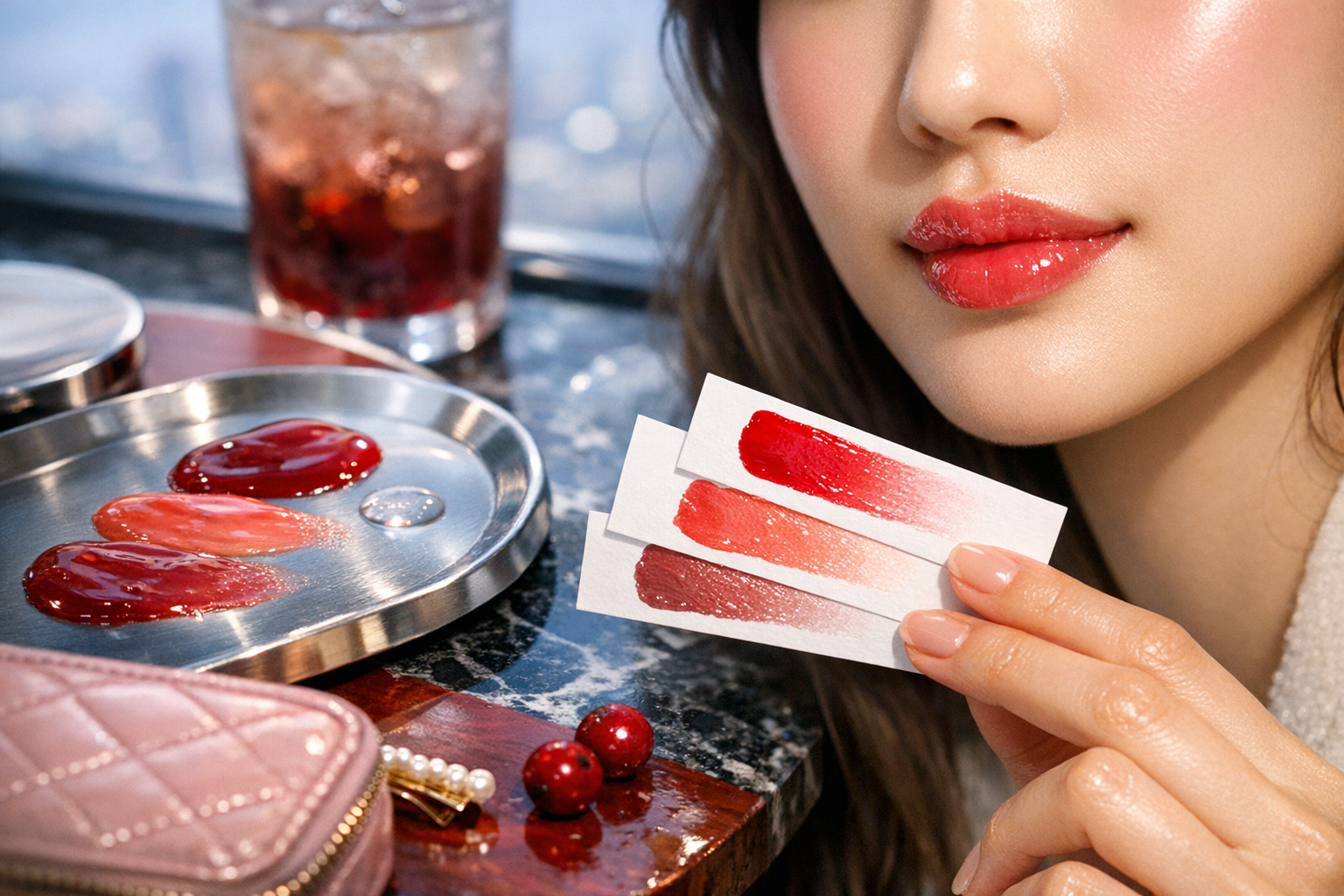
Korean lip tints are popular because they offer lightweight color, a fresh finish, and easy layering without the heavier feel of many traditional lipsticks. For beginners, the hardest part is usually not how to apply them but how to pick a shade that looks natural, flattering, and useful in real life.
This Korean lip tint shade guide explains how to narrow your options by skin depth, undertone, finish, and daily use. Instead of chasing every trend shade, it helps you build a small, practical lip tint wardrobe that works for school, work, casual outings, and more polished looks.
What makes Korean lip tints different
In K-beauty, lip tints often focus on a sheer-to-buildable effect, a blurred gradient look, or a juicy glossy finish that leaves some stain behind. That means the color you first see in the tube may not be exactly how it settles on the lips. Some formulas brighten after a few minutes, while others leave a softer, muted stain once the shine fades.
This matters when choosing a shade. A bright cherry tint may look bold at first but wear down to a healthy pink-red. A warm coral may start glossy and fresh, then leave a peachy stain. Beginners often get better results when they think about both the initial color and the after-stain.
Another difference is finish. Korean lip tints commonly come in watery, velvet, mousse, gel, and glossy formats. Watery and gel types can feel lighter and stain more clearly, while velvet and mousse formulas often create a soft-focus lip look. Glossy tints can be the easiest for beginners who want forgiving application and a youthful finish, but they may need more touch-ups than stronger stains.
How to choose a shade by skin tone and undertone
A simple way to shop is to separate skin depth from undertone. Skin depth refers to how light or deep your complexion is, while undertone refers to whether your coloring leans warm, cool, neutral, or olive. You do not need to identify this perfectly, but having a rough sense helps you avoid shades that look too harsh, too pale, or too neon.
For fair to light skin, soft pinks, cool roses, light corals, and clear cherry reds are often approachable starting points. Very pale beige-nudes can wash out the face, especially in tint formulas that dry down lighter than expected. If you want a nude effect, try pink-beige, peach-rose, or muted coral rather than a flat concealer-like shade.
For light-medium to medium skin, rosy mauves, balanced corals, brick-tinged reds, and dried-rose shades are often versatile. These colors tend to add definition without looking overly dramatic. If your undertone is warm, apricot, coral-red, and cinnamon-rose shades may feel especially natural. If your undertone is cooler, berry-rose and mauve-pink shades can be easier to wear.
For tan to deep skin, richer berries, deeper rose tones, warm brick shades, plum-reds, and vivid cherry or tomato reds often show up better than very pale pastel tints. A common beginner mistake is choosing shades that are too light or too white-based, which can appear ashy or uneven. More saturated shades usually create a clearer, healthier-looking lip result.
Neutral undertones can usually move between warm and cool families with fewer problems, so finish and depth may matter more than undertone labels. Olive undertones often look especially good in muted rose, terracotta, brick, and balanced berry shades, while very neon pinks or strongly white-based corals can be trickier.
Understanding the most useful shade families
If you are building a first lip tint collection, it helps to think in shade families rather than individual product names. Coral is one of the most recognizable K-beauty lip categories because it gives a fresh, youthful effect. Soft coral works well for spring and daytime wear, while deeper coral-reds can feel more energetic and polished.
Rosy pink is often the safest everyday category. It can mimic a natural lip flush, pair well with light eye makeup, and work across many settings. For beginners who want one easy tint, a muted rose or rose-pink is often more flexible than a very bright pink.
Red tints vary more than many shoppers expect. Cherry red usually reads clear and lively, tomato red leans warmer and brighter, and brick red looks more grounded and mature. If you want a classic Korean gradient lip effect, red tints are especially useful because they can be dabbed at the center of the lips and blended outward for a soft stain.
Berry and plum families are helpful when you want more contrast or a dressier mood. They can look elegant without requiring a full lipstick look, especially in blurred velvet formulas. For many people, a soft berry tint is easier to wear than a dark brown nude because it still brings brightness to the face.
How finish changes the way a shade looks
The same color can look very different depending on finish. Glossy tints usually make shades appear brighter, fresher, and slightly more transparent. Velvet tints often make them look deeper, softer, and more diffused. If you are between two shades, the finish may be the deciding factor.
For dry lips, glossy, balm-like, or gel tints are often more forgiving because they emphasize moisture and can smooth over minor flaking. For oily skin or people who prefer a blurred makeup style, velvet tints may feel more balanced visually. Watery stains can be long-wearing, but they may cling to dry patches if lip prep is skipped.
Before buying, think about your routine. If you want something for quick reapplication, a glossy tint can be convenient. If you want a soft stain that survives coffee better, a watery or velvet formula may suit you more. The best option is not universal; it depends on comfort, maintenance, and the look you want by the end of the day.
What to buy first: a balanced beginner strategy
Without relying on specific product claims, a practical beginner plan is to start with two or three shade types. First, choose an everyday rose or muted pink. Second, add a coral or warm red if you like brighter, fresher makeup. Third, consider a deeper berry or brick shade for evenings, photos, or cooler seasons.
Also compare formula categories when shopping. Look for descriptions such as glossy tint, water tint, velvet tint, or mousse tint, and check whether the brand positions the product as hydrating, long-lasting, or blur-finish. Product photos can be helpful, but lip swatches in different lighting are usually more realistic than heavily edited campaign images.
Pay attention to how much staining you actually want. Strong stains can be useful for long days, but they are less forgiving if you dislike the color after application. Sheerer glossy tints are easier for experimentation because they can be applied lightly and adjusted. Beginners who are unsure about undertone often do well with buildable formulas first.
Finally, remember that lip color is affected by your natural lip pigment. A shade that looks peach on one person may read pinker or deeper on another. That is why a Korean lip tint shade guide is most useful when treated as a decision framework, not a rigid rulebook.
How this guide was edited
Last editorial update: August 2026. This guide is written for readers comparing Korean beauty options online, not for diagnosing or treating skin conditions.
For Korean lip tint shade guide, the shortlist is judged by practical routine fit first. The goal is to help you decide what belongs in your routine and what to skip.
Selection criteria
- Shade usability for everyday wear
- Stain, gloss, or blurred finish
- Comfort over several hours
- Whether the color may look different on natural lip tones
How to choose by lip style
| Reader need | Practical buying note |
|---|---|
| Natural everyday look | Choose muted rose, fig, or soft coral shades before brighter stains. |
| Dry lips | Use balm first and avoid formulas that set too quickly. |
| Long wear | Expect better staining from water or gel tints, but check comfort. |
What to check before buying
- Check shade photos from multiple retailers when possible.
- Read recent buyer notes about texture, finish, and shipping conditions.
- Prefer stores with clear return, shipping, and authenticity policies.
FAQ
Which Korean lip tint shade is best for beginners?
A muted rose, rosy pink, or soft coral is usually the easiest place to start. These shades tend to look natural, work across many makeup styles, and are less intimidating than very bright reds or very pale nudes.
How do I know if I should buy a warm or cool lip tint?
If peach, coral, and brick colors usually flatter your complexion, you may prefer warm shades. If rose, berry, and mauve shades look more natural on you, cooler tones may be easier. If both seem to work, you are likely neutral and can choose based on mood and finish.
Why does a lip tint look different on my lips than in the swatch photo?
Lip tints interact with your natural lip color, skin tone, lighting, and the formula’s stain effect. Gloss can also make a shade look brighter at first. Once the top layer fades, the remaining stain may appear softer, deeper, or warmer than expected.
Are glossy tints or velvet tints better for dry lips?
Glossy, gel, or balm-like tints are often more comfortable for dry lips because they add slip and shine. Velvet tints can still work, but they usually look better when lips are exfoliated and lightly moisturized beforehand.
Sources
This article is based on stable general K-beauty knowledge about common lip tint categories, finish types, shade families, undertone matching, and beginner makeup shopping considerations. It reflects widely recognized cosmetic principles used in beauty editorial guidance, including how color depth, undertone, lip pigmentation, and formula finish affect the final result.
This article may contain affiliate links. If you buy through them, we may earn a commission at no extra cost to you.