Key takeaways
- Beginners usually do best with simple Korean skincare kits built around cleanser, moisturizer, and daily sunscreen.
- The best kit depends on skin type, sensitivity, and whether you want hydration, acne support, or barrier care.
- Shopping by product categories and ingredient goals is safer than chasing long routines or trend-driven claims.
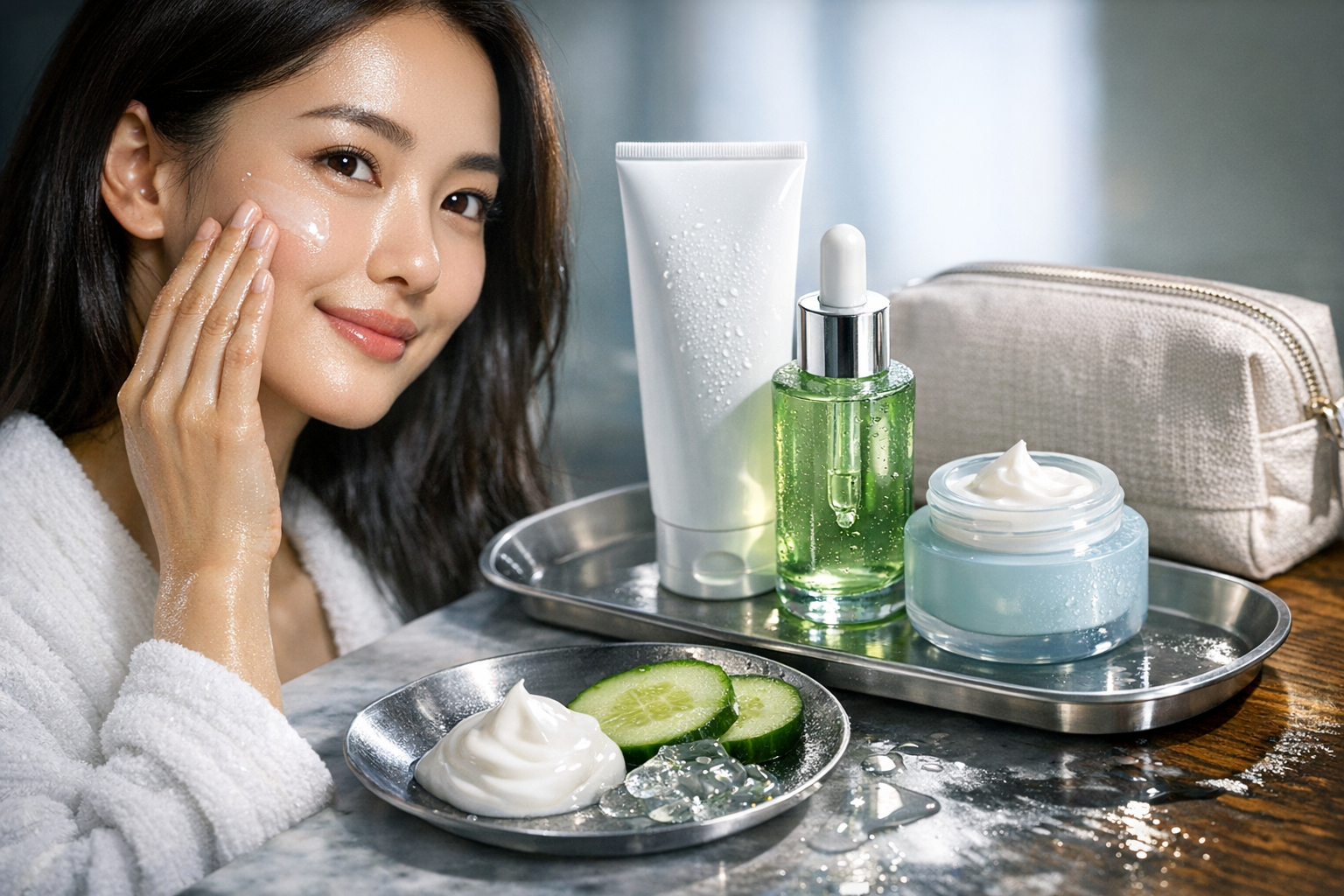
If you are trying to find the best Korean skincare routine kit, the smartest starting point is not the longest routine or the trendiest packaging. For most beginners, a good kit is one that teaches the basics, suits your skin type, and makes daily use easy enough to maintain.
Korean skincare is often associated with multi-step routines, but beginners do not need ten products to get results. A practical starter set usually focuses on cleansing, hydration, moisturizing, and sun protection in the daytime. Some kits also add a treatment step such as a toner, essence, or serum, but the goal should still be simplicity and consistency rather than volume.
What a beginner Korean skincare kit should include
The most useful beginner kits usually contain three to five core products. A gentle cleanser is the foundation because it removes oil, sweat, sunscreen, and everyday buildup without leaving skin tight. For many people, a low-irritation water-based cleanser is enough in the morning, while a more thorough cleanse may be helpful at night if makeup or heavy sunscreen is involved.
Next comes hydration. In Korean skincare, this often appears as a toner, essence, or light serum. These products are designed to add water-based hydration and help the skin feel more balanced after cleansing. Beginners do not need all three categories at once. One hydrating step is usually enough, especially if the formula is simple and fragrance is limited.
A moisturizer is the step that helps seal in hydration and support the skin barrier. Gel creams often work well for oily or combination skin, while cream textures may suit dry or easily dehydrated skin better. If a kit includes both a lightweight lotion and a richer cream, that can be useful for seasonal changes, but it is not essential for everyone.
Daytime sun protection matters just as much as any serum. If a routine kit does not include sunscreen, you should plan to add one separately. This is especially important if the kit contains exfoliating acids, brightening ingredients, or retinoid-style actives, because those routines can make diligent sun use even more important.
How to choose based on your skin type
Dry skin usually benefits from kits centered on hydration and barrier support. Look for formulas that emphasize humectants and skin-softening ingredients, then pair them with a moisturizer that reduces moisture loss. A beginner with dry skin does not usually need a strong exfoliating toner right away; comfort and consistency are often more useful than intensity.
Oily or combination skin often does best with lightweight textures that still maintain hydration. Many people with oilier skin over-cleanse or skip moisturizer, which can leave skin feeling stripped and trigger more visible oiliness later. A balanced kit with a gentle cleanser, light hydrating layer, non-heavy moisturizer, and sunscreen is usually a better long-term approach.
Sensitive skin should be especially careful with starter kits that promise fast brightening, pore clearing, or dramatic resurfacing. Those goals are not impossible, but beginners usually do better with fewer active ingredients at first. Fragrance-free or low-fragrance formulas, shorter ingredient lists, and barrier-supportive products are often easier to tolerate.
Acne-prone skin can benefit from Korean skincare kits, but the best option is not always the one with the most treatment claims. It is often wiser to choose a routine that keeps the skin calm and hydrated, then add one acne-focused active separately if needed. This reduces the chance of irritation from testing several new treatment products at the same time.
Ingredient categories worth knowing before you buy
Hydrating ingredients are common in Korean skincare and are often beginner-friendly. Humectants such as glycerin and hyaluronic acid help attract water, while soothing ingredients like centella asiatica, panthenol, and allantoin are often chosen for comfort-focused routines. These are useful in kits aimed at stressed, dehydrated, or sensitive skin.
Barrier-support ingredients are another strong sign of a thoughtful starter kit. Ceramides, fatty acids, and cholesterol are often associated with moisturizers designed to support the skin barrier. For beginners who have used harsh cleansers or too many actives in the past, this kind of routine can be a better reset than a highly targeted treatment set.
Brightening ingredients can be helpful, but they should be approached with realistic expectations. Niacinamide is common in beginner routines because it can support tone balance and oil control for some users. Vitamin C, exfoliating acids, and retinoid-style ingredients may also appear in some kits, but these are better introduced carefully, especially if you are new to skincare.
Exfoliating ingredients deserve extra caution in a kit format. AHAs, BHAs, and PHAs can be useful depending on your goals, but a beginner does not need multiple exfoliating products in one routine. If a set includes an exfoliating toner, exfoliating serum, and exfoliating pads together, that may be more aggressive than necessary for someone just starting out.
What makes a kit good value
Value is not only about the number of products in the box. A good kit should include steps you will actually use every day, in textures that fit your skin and climate. Travel-size sets can be useful for testing compatibility before committing to full sizes, while full-size kits may offer better long-term value if the routine is already aligned with your needs.
Packaging also matters more than many beginners expect. Pump bottles and squeeze tubes are often easier and more hygienic for daily use than wide-mouth jars, especially for people who want a low-fuss routine. Clear labeling helps too. A beginner-friendly set should make the order of use obvious rather than forcing you to guess where each product fits.
Another sign of value is flexibility. The best Korean skincare routine kit for one person may be a simple three-step set, while someone else may want a five-step routine with a hydrating toner and serum. The key is whether the kit gives you a complete, usable system without pushing unnecessary overlap.
How to shop safely when comparing Korean skincare kits
Start by deciding whether you want a basic routine or a treatment-focused routine. A basic routine is usually the safer choice for first-time buyers because it builds healthy habits and lets you learn how your skin responds. Treatment-focused kits can be useful later, once you know whether your skin tolerates exfoliants, brightening actives, or richer textures.
Check the product list for redundancy. If several products seem to do the same thing, the kit may feel more impressive than practical. A cleanser, hydrating step, moisturizer, and sunscreen create a strong base. Anything beyond that should have a clear role rather than simply adding more layers.
It is also wise to patch test new products, especially if the kit contains active ingredients or fragrance. Even well-liked formulas can cause irritation depending on your skin history. Introducing one new product every few days can make it easier to identify what works and what does not.
Finally, buy from reputable retailers or official brand channels when possible. Korean skincare is widely available internationally, but product freshness, authenticity, and return policies still matter. A trustworthy seller can be just as important as the kit itself.
How this guide was edited
Last editorial update: August 2026. This guide is written for readers comparing Korean beauty options online, not for diagnosing or treating skin conditions.
For best Korean skincare routine kit, the shortlist is judged by practical routine fit first. The goal is to help you decide what belongs in your routine and what to skip.
Selection criteria
- Whether the steps solve different jobs
- Beginner simplicity
- Price and replacement practicality
- Avoiding too many active products at once
How to choose by skin type
| Reader need | Practical buying note |
|---|---|
| Dry or dehydrated skin | Prioritize comfort, layering, and formulas that do not leave skin tight. |
| Oily or combination skin | Look for lighter textures and avoid adding too many rich layers at once. |
| Sensitive-feeling skin | Patch test first and be cautious with fragrance, acids, and strong actives. |
What to avoid before buying
- Avoid choosing a product only because it is viral; match it to your skin type and current routine.
- Do not add several new products in the same week. Introduce one product at a time so you can notice irritation.
- Be careful with medical-sounding claims. Cosmetics can support the look and feel of skin, but they are not treatments.
FAQ
Do beginners need a full 10-step Korean skincare routine?
No. Most beginners do better with a smaller routine they can use consistently. A cleanser, hydrating step, moisturizer, and sunscreen are often enough to start, with treatment products added later only if needed.
Is a Korean skincare kit better than buying products one by one?
A kit can be helpful because it gives beginners a ready-made routine and reduces guesswork about step order. However, buying individually may be better if you already know your skin is very sensitive, acne-prone, or reactive to certain ingredients.
What skin type benefits most from Korean skincare kits?
Almost any skin type can benefit if the kit matches its needs. Dry skin often does well with hydration-focused sets, oily skin with lightweight balancing routines, and sensitive skin with simple barrier-support options.
Should a beginner choose active ingredients or soothing products first?
In most cases, soothing and barrier-supportive products are the better first purchase. Once your skin is comfortable with the basics, you can decide whether to add targeted ingredients for acne, pigmentation, or texture.
Sources
This article is based on stable general knowledge about Korean skincare routines, common product categories in K-beauty, standard skin-type guidance used in consumer skincare education, and widely accepted shopping considerations such as ingredient awareness, patch testing, and sunscreen use. Because no source material or verified product list was provided, the guide focuses on selection criteria and routine-building principles rather than naming unverified kits.
This article may contain affiliate links. If you buy through them, we may earn a commission at no extra cost to you.