Key takeaways
- Choose a serum by matching ingredients to your main skin concern, not by trends alone.
- Hydrating, soothing, brightening, and resurfacing ingredients each serve different purposes and can be layered carefully.
- Beginners should patch test, introduce one active at a time, and watch for irritation when building a routine.
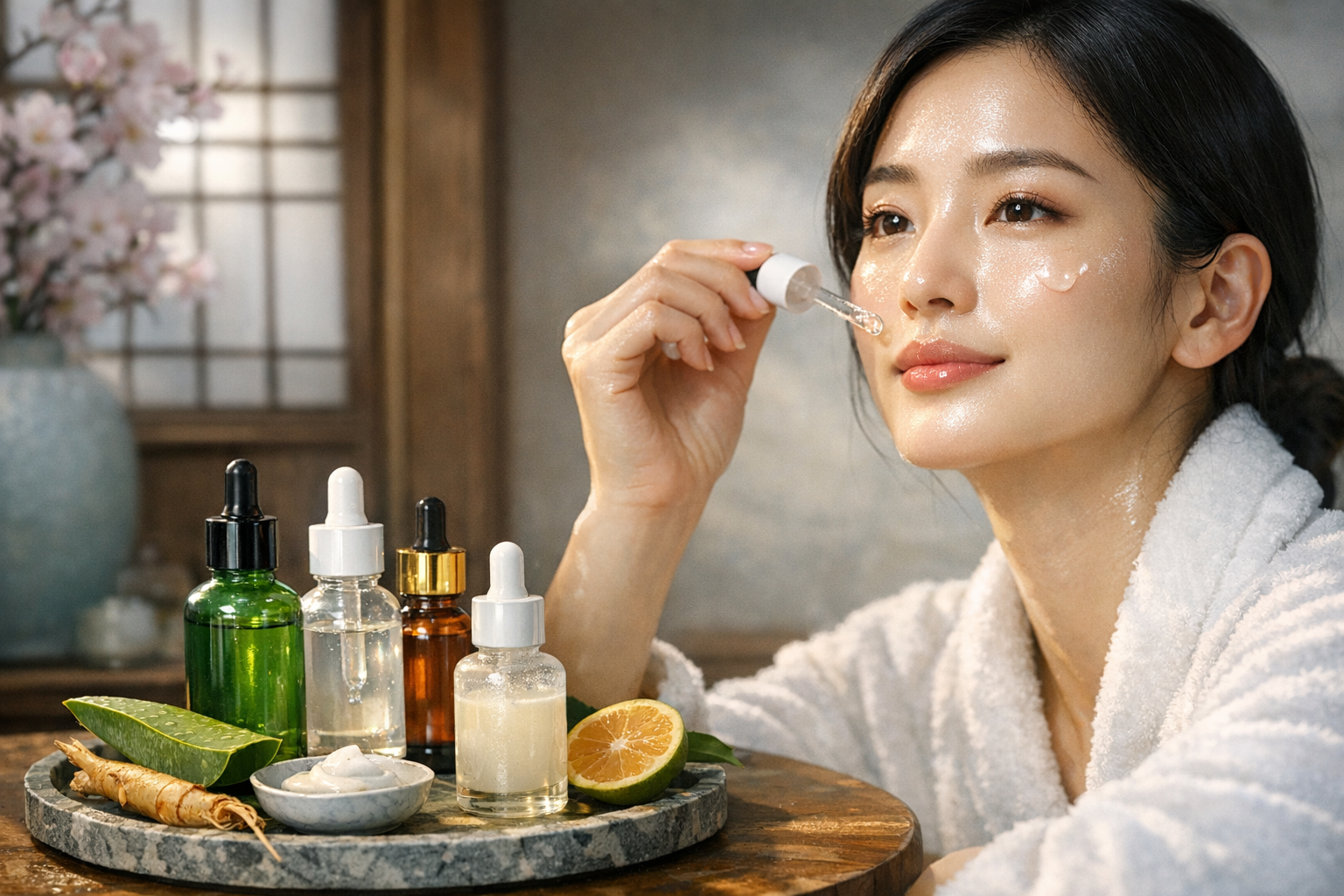
Serums are one of the most talked-about steps in K-beauty, but they can also be confusing for beginners. A serum usually contains concentrated ingredients designed to target a specific concern such as dehydration, dullness, sensitivity, uneven tone, or early signs of aging. This Korean serum ingredients guide explains the ingredient categories you are most likely to see, what they do, and how to choose a formula that fits your skin rather than following trends blindly.
What a Korean serum is and why ingredients matter
In many Korean skincare routines, a serum sits after cleansing and toning and before moisturizer. The texture is often lighter than a cream but more treatment-focused than a basic toner. Not every serum works the same way, because the real difference comes from the ingredient list and the skin concern the formula is built to address.
For beginners, the most useful way to shop is to start with one goal. If your skin feels tight, look for hydration-supporting ingredients. If your skin looks red or easily irritated, focus on soothing ingredients. If you want to address dark spots or uneven tone, look for brightening actives. This approach is more practical than buying multiple serums at once and hoping they all work together.
It also helps to remember that Korean skincare often emphasizes skin barrier support, layering, and consistency. That means many serums are designed to be gentle enough for regular use, but gentle does not automatically mean risk-free. Even popular ingredients can irritate some skin types, especially when combined with too many actives in the same routine.
Hydrating and barrier-supporting ingredients
Hydration is often the easiest place for beginners to start. Dehydrated skin can feel rough, look dull, and become more reactive. A hydrating serum can help the skin look plumper and feel more comfortable, especially when followed by a moisturizer that helps seal in water.
One of the best-known hydrating ingredients is hyaluronic acid, a humectant that attracts water. You may also see sodium hyaluronate, a related form commonly used in skincare. These ingredients are often suitable for many skin types, but they work best when applied to slightly damp skin and followed with a cream or lotion.
Glycerin is another dependable humectant and is often overlooked because it sounds simple. In practice, it is one of the most useful ingredients for maintaining hydration. Beta-glucan, panthenol, and polyglutamic acid are also common in hydrating formulas and can help support a comfortable skin feel.
For barrier support, ceramides are especially important. They help reinforce the skin barrier, which matters if your skin is dry, easily irritated, or over-exfoliated. Squalane is another helpful ingredient because it adds lightweight softness without feeling as heavy as some oils. A beginner-friendly Korean serum ingredients guide should always include barrier care, because many skin concerns get worse when the barrier is stressed.
Soothing ingredients for sensitive or reactive skin
K-beauty is well known for formulas that focus on calming the skin. If your skin becomes red easily, stings when you apply products, or reacts to weather changes, a soothing serum may be more useful than a strong active treatment.
Centella asiatica is one of the most recognizable soothing ingredients in Korean skincare. You may also see components associated with centella, such as madecassoside or asiaticoside. These ingredients are commonly chosen for skin that feels irritated or compromised. Heartleaf, mugwort, and green tea are also frequently used in calming formulas.
Panthenol and allantoin deserve attention here as well. They are not flashy ingredients, but they are widely used to reduce discomfort and support the skin barrier. For a beginner, these kinds of formulas can be a smart first serum because they are often easier to fit into an existing routine than stronger brightening or exfoliating products.
If your skin is acne-prone, soothing ingredients can still matter. Breakout-prone skin is not always oily in a simple way; it can also be inflamed and dehydrated. A calming serum may help support the skin while you keep the rest of your routine simple and avoid overdoing harsh treatments.
Brightening and tone-evening ingredients
Brightening serums are popular because many people want to improve the look of post-acne marks, dullness, or uneven tone. In skincare, brightening usually means helping the skin appear more even and radiant rather than changing your natural skin color.
Niacinamide is one of the most versatile ingredients in this category. It is often used to support the skin barrier, help balance the look of oiliness, and improve the appearance of uneven tone. Many beginners do well with niacinamide, although very high-strength formulas may not suit everyone.
Vitamin C is another common brightening ingredient, but it can be more complicated. Different forms vary in strength and stability. Some vitamin C serums are more active and may irritate sensitive skin, while gentler derivative forms may feel easier to use but can act more gradually. If you are new to vitamin C, it is usually wise to start slowly and avoid pairing it with too many other strong actives at once.
Other ingredients associated with brightening include tranexamic acid, arbutin, licorice root extract, and rice-derived ingredients. These often appear in formulas aimed at dullness or the look of dark spots. Results usually depend on patience, daily sunscreen use, and a routine that does not constantly irritate the skin.
Exfoliating and anti-aging actives: useful but not always beginner-first
Some serums target texture, clogged pores, or visible signs of aging through exfoliating or cell-turnover-supporting ingredients. These can be effective, but they require more care than a basic hydrating or soothing serum.
AHAs such as glycolic acid or lactic acid are commonly used to improve the look of roughness and dullness on the skin surface. BHAs, especially salicylic acid, are often chosen for oily or congestion-prone skin because they can help address pore buildup. PHAs are generally considered a gentler exfoliating category and may suit people who find stronger acids too irritating.
Retinol and related vitamin A ingredients are often discussed in anti-aging routines because they can help with the appearance of fine lines, uneven texture, and breakouts. However, they are not always the best first serum for a complete beginner, especially if your skin is sensitive or your routine is not yet stable. It is usually better to build a basic routine first, then add one stronger active carefully.
When using acids or retinoids, keep the rest of the routine simple. Avoid stacking multiple exfoliants in one night, moisturize well, and use sunscreen consistently during the day. The goal is steady progress, not the fastest possible routine.
How to choose the right serum for your skin type
The best serum is not the one with the longest ingredient list or the most social media attention. It is the one that matches your main concern and fits the rest of your routine. Dry or dehydrated skin often benefits from humectants, ceramides, and squalane. Sensitive skin usually does best with centella, panthenol, allantoin, and fragrance-free formulas when possible. Oily or acne-prone skin may prefer lightweight textures with niacinamide, soothing ingredients, or carefully chosen exfoliants.
Combination skin may need a balanced approach rather than a strong treatment. If your skin is both oily and dehydrated, a light hydrating serum can be more useful than a harsh acne product. If your concern is post-acne marks, a brightening serum may make more sense than adding another cleanser or scrub.
Always patch test a new serum, especially if it contains acids, retinoids, or vitamin C. Introduce one new active at a time and give it a few weeks before judging. Fragrance, essential oils, and botanical extracts are not automatically bad, but they can be irritating for some people, so ingredient awareness matters more than marketing language.
How this guide was edited
Last editorial update: August 2026. This guide is written for readers comparing Korean beauty options online, not for diagnosing or treating skin conditions.
For Korean serum ingredients guide, the shortlist is judged by practical routine fit first. The goal is to help you decide what belongs in your routine and what to skip.
Selection criteria
- One clear role in the routine
- Ingredient simplicity
- Risk of over-layering actives
- Whether beginners can use it without rebuilding the whole routine
How to choose by skin type
| Reader need | Practical buying note |
|---|---|
| Dry or dehydrated skin | Prioritize comfort, layering, and formulas that do not leave skin tight. |
| Oily or combination skin | Look for lighter textures and avoid adding too many rich layers at once. |
| Sensitive-feeling skin | Patch test first and be cautious with fragrance, acids, and strong actives. |
What to avoid before buying
- Avoid choosing a product only because it is viral; match it to your skin type and current routine.
- Do not add several new products in the same week. Introduce one product at a time so you can notice irritation.
- Be careful with medical-sounding claims. Cosmetics can support the look and feel of skin, but they are not treatments.
FAQ
What is the best first Korean serum for a beginner?
For most beginners, a hydrating or soothing serum is the safest starting point. Look for ingredients such as hyaluronic acid, glycerin, panthenol, centella asiatica, or ceramides. These are usually easier to fit into a routine than stronger exfoliating or anti-aging actives.
Can I use more than one serum in the same routine?
Yes, but it is best to keep layering simple at first. Combining a hydrating serum with a soothing serum is often easier than combining several strong actives. If you use an exfoliating acid, retinoid, or potent vitamin C, avoid adding too many other treatment serums until you know how your skin responds.
Are Korean serums better than non-Korean serums?
Not automatically. Korean serums are popular because many formulas focus on elegant textures, layering, hydration, and barrier support. The better choice depends on the ingredients, your skin needs, and how consistently you use the product.
How long does it take to see results from a serum?
Hydrating serums can improve skin feel fairly quickly, sometimes within days. Brightening, texture, and anti-aging serums usually take longer, often several weeks or more of consistent use. Visible progress also depends on sunscreen use, skin sensitivity, and whether the formula matches your actual concern.
Sources
This article is based on stable general skincare knowledge commonly reflected in dermatologist guidance, cosmetic ingredient references, product labeling conventions, and widely understood K-beauty routine practices. It uses general ingredient functions and beginner skincare principles rather than brand-specific claims, unpublished testing, or unverified product comparisons.
This article may contain affiliate links. If you buy through them, we may earn a commission at no extra cost to you.