Key takeaways
- Beginners usually do best with hydrating, easy-to-blend lip tint formulas rather than highly staining or very matte options.
- The right first lip tint depends on finish, comfort, pigmentation, and how much precision you want during application.
- Shopping by formula category and shade family is more reliable than chasing trends or buying the deepest stain first.
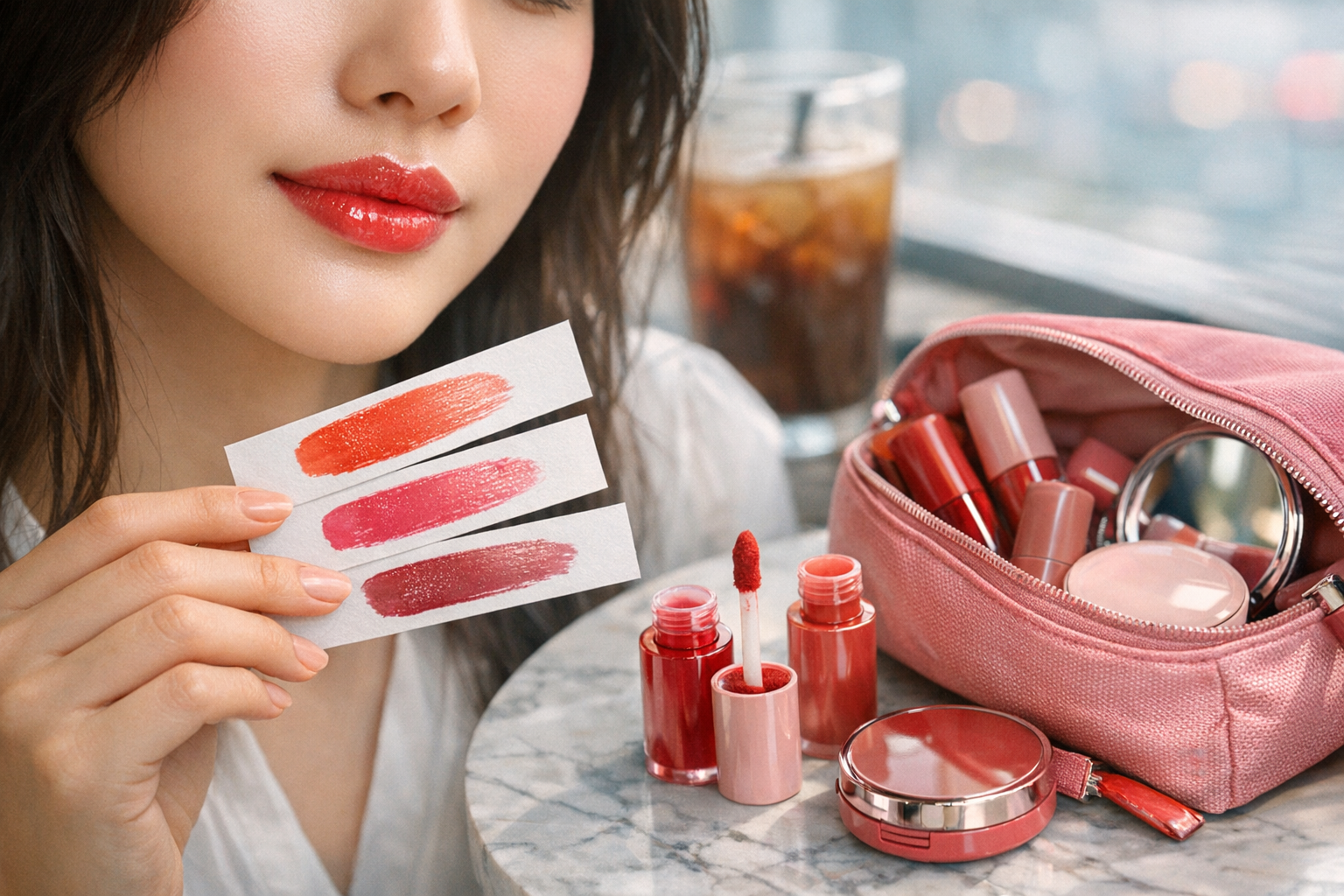
Korean lip tints are often the first K-beauty makeup product many shoppers try, and for good reason: they can give a fresh wash of color, feel lighter than traditional lipstick, and suit both soft everyday looks and more polished makeup. If you are trying to find the best Korean lip tint for beginners, the smartest approach is not to chase one viral item but to understand which formula type will be easiest for you to wear and apply.
Because no source material was provided for specific product recommendations, this guide focuses on stable buying criteria, common formula categories, and practical shopping advice. That makes it more useful for first-time buyers who want to avoid common mistakes such as choosing an overly drying tint, a shade that stains too bright, or a finish that needs more upkeep than expected.
What Makes a Korean Lip Tint Beginner-Friendly?
A beginner-friendly lip tint is usually easy to control, forgiving if you apply too much, and comfortable enough to wear for several hours. In practice, that often means a formula with moderate pigment, some slip during application, and a finish that fades in a relatively even way. A product that grabs instantly onto dry patches or leaves a very strong ring after the center wears off can be harder for new users.
Comfort matters just as much as color. Many people are drawn to lip tints because they look lightweight, but not all formulas feel the same. Some are watery and stain quickly, some are mousse-like and soft-focus, and some behave more like glossy lip color with tint underneath. Beginners often prefer formulas that give them a little time to blend before the color sets.
Another useful sign is versatility. A good first tint should work with a full-lip application, a blurred gradient look, or a quick dabbed-on stain. If one product can do all three, it gives you more room to learn what style you actually enjoy wearing.
Main Types of Korean Lip Tints
Understanding formula categories is the easiest way to narrow your options. Water tints are typically thin, vivid, and fast-setting. They can create a long-lasting stain, but they are not always the easiest starting point because they may cling to texture and can be difficult to correct once applied. They are often best for shoppers who already know they want strong staining power and do not mind a lighter, less cushioned feel.
Velvet tints are one of the most approachable categories for beginners. These usually have a whipped or creamy texture, spread easily, and create a blurred effect that is flattering even if your lip line is not perfectly defined. They are often a strong choice for people who want a soft matte look without the full weight of a classic lipstick.
Glossy or syrupy tints are another beginner-friendly option, especially for those who prioritize comfort and shine. These formulas often make lips look fuller and fresher, and they can be easier to wear if you dislike dry matte products. The trade-off is that glossy finishes may transfer more and may need touch-ups after eating.
Oil tints and balm-tint hybrids sit somewhere between lip care and makeup. They are usually less intimidating because they feel nourishing and sheer, though they may not deliver the dramatic staining effect some shoppers expect from a traditional tint. For dry lips, this category can be a practical first step into K-beauty lip color.
How to Choose the Right Finish, Pigment, and Shade
Finish changes the entire experience of a lip tint. If you want something low-maintenance, a soft velvet or balm-like tint may be easier than a high-shine formula that requires frequent mirror checks. If you care most about a juicy, youthful look, glossy tints are often more satisfying. If longevity is your top priority, a stronger stain formula may make sense, but it is worth accepting that these can be less forgiving.
Pigment level is equally important. Beginners often assume more color is better, but highly saturated formulas can be harder to control. A buildable tint is usually the safer buy because you can start with one layer and add more if needed. This is especially helpful if you are still learning how bright shades look on your own skin tone.
Shade choice should be practical, not aspirational. Soft rose, muted coral, neutral berry, and warm pink are common entry points because they flatter many complexions and are easier to wear during the day. Very neon pinks, intense reds, and deep plum stains can look beautiful, but they are less forgiving if the formula applies unevenly or fades patchily. For a first purchase, a mid-tone everyday shade is usually more useful than a dramatic statement color.
It also helps to think about your natural lip color. Tints interact with the pigment already in your lips, so the final result may look deeper or warmer than the tube suggests. That is one reason sheer and buildable formulas are often the safest recommendation for new buyers.
What to Check Before You Buy
Ingredient style and texture clues can tell you a lot even before you swatch anything. If your lips get dry easily, look for descriptions that suggest cushioning, moisture, or balm-like wear rather than products marketed mainly around intense stain power. If you have very smooth lips and want all-day color, a lighter staining formula may be more appealing.
Pay attention to the applicator as well. A small doe-foot or tapered tip is often easier for beginners because it gives more control around the cupid’s bow and lip corners. Large or heavily loaded applicators can deposit too much product at once, which may be frustrating if you are aiming for a subtle gradient effect.
Fragrance is another consideration. Many K-beauty lip products have sweet or fruity scents, which some users enjoy and others avoid. If you are sensitive to fragrance, checking the product description and ingredient list is worth the extra minute. The same goes for finish claims such as plumping, cooling, or long-wear, since those features can affect comfort.
Finally, think about your routine. If you want a product for quick commuting makeup, choose something you can apply without a lip liner or brush. If you enjoy more deliberate makeup and want a polished look, you may be happy with a formula that needs slightly more precision in exchange for stronger color payoff.
Who Each Lip Tint Category Is Best For
Velvet tints are best for beginners who want a soft-focus look, easy blending, and a more forgiving application process. They also suit people who like the popular blurred-lip style often associated with Korean makeup trends. If you are unsure where to start, this is often the safest category.
Glossy tints are best for shoppers who want shine, comfort, and a fresh everyday finish. They are especially appealing if you prefer makeup that looks lively rather than powdery. They may not last as neatly through meals, but they are often enjoyable and approachable for first-time users.
Water tints are best for people who specifically want a stronger stain and do not mind a learning curve. They can work well for long days and minimal touch-ups, but they are usually not the easiest answer to the question of the best Korean lip tint for beginners.
Balm-tint and oil-tint hybrids are best for dry lips, minimal makeup routines, and anyone who wants a lip product that feels closer to care than full makeup. They are often ideal for students, office wear, or shoppers who rarely wear lipstick but want a little color.
How this guide was edited
Last editorial update: June 2026. This guide is written for readers comparing Korean beauty options online, not for diagnosing or treating skin conditions.
For best Korean lip tint for beginners, the shortlist is judged by practical routine fit first. The goal is to help you decide what belongs in your routine and what to skip.
Selection criteria
- Shade usability for everyday wear
- Stain, gloss, or blurred finish
- Comfort over several hours
- Whether the color may look different on natural lip tones
How to choose by lip style
| Reader need | Practical buying note |
|---|---|
| Natural everyday look | Choose muted rose, fig, or soft coral shades before brighter stains. |
| Dry lips | Use balm first and avoid formulas that set too quickly. |
| Long wear | Expect better staining from water or gel tints, but check comfort. |
What to check before buying
- Check shade photos from multiple retailers when possible.
- Read recent buyer notes about texture, finish, and shipping conditions.
- Prefer stores with clear return, shipping, and authenticity policies.
FAQ
Are Korean lip tints better than lipstick for beginners?
They can be, especially if you want lighter texture and a more casual look. Many beginners find tints less intimidating than full-coverage lipstick, but the easiest option depends on formula. Soft velvet and balm-like tints are usually more beginner-friendly than very strong water stains.
Which Korean lip tint finish is easiest to apply?
Velvet tints are often the easiest because they blend well and can create a blurred edge without perfect precision. Glossy tints can also be simple to use, though they may move around more and need more frequent touch-ups.
How do I stop a lip tint from looking patchy?
Start with smooth, moisturized lips and remove any flaky skin before application. Apply a small amount first, then build gradually. If a formula stains very quickly, dab it in with a fingertip rather than swiping on a thick layer all at once.
What shade should I buy first?
A muted rose, soft coral, neutral pink, or gentle berry is usually a safe first choice. These shades tend to be wearable across many settings and are less likely to leave an overly bright stain if they fade unevenly.
Sources
This article is based on stable general knowledge about K-beauty lip tint categories, common product textures and finishes, standard cosmetic shopping considerations, and widely recognized Korean makeup application styles such as gradient and blurred lips. It draws on general beauty editorial conventions, ingredient-list reading practices, and long-established distinctions between water, velvet, glossy, balm, and oil-based tint formulas rather than on unverified product-specific claims.
This article may contain affiliate links. If you buy through them, we may earn a commission at no extra cost to you.