Key takeaways
- Start with cleanser, moisturizer, and daily sunscreen before adding extra steps.
- Choose products by skin type, texture preference, and sensitivity rather than routine length.
- Introduce one active product at a time so you can spot benefits, irritation, or breakouts clearly.
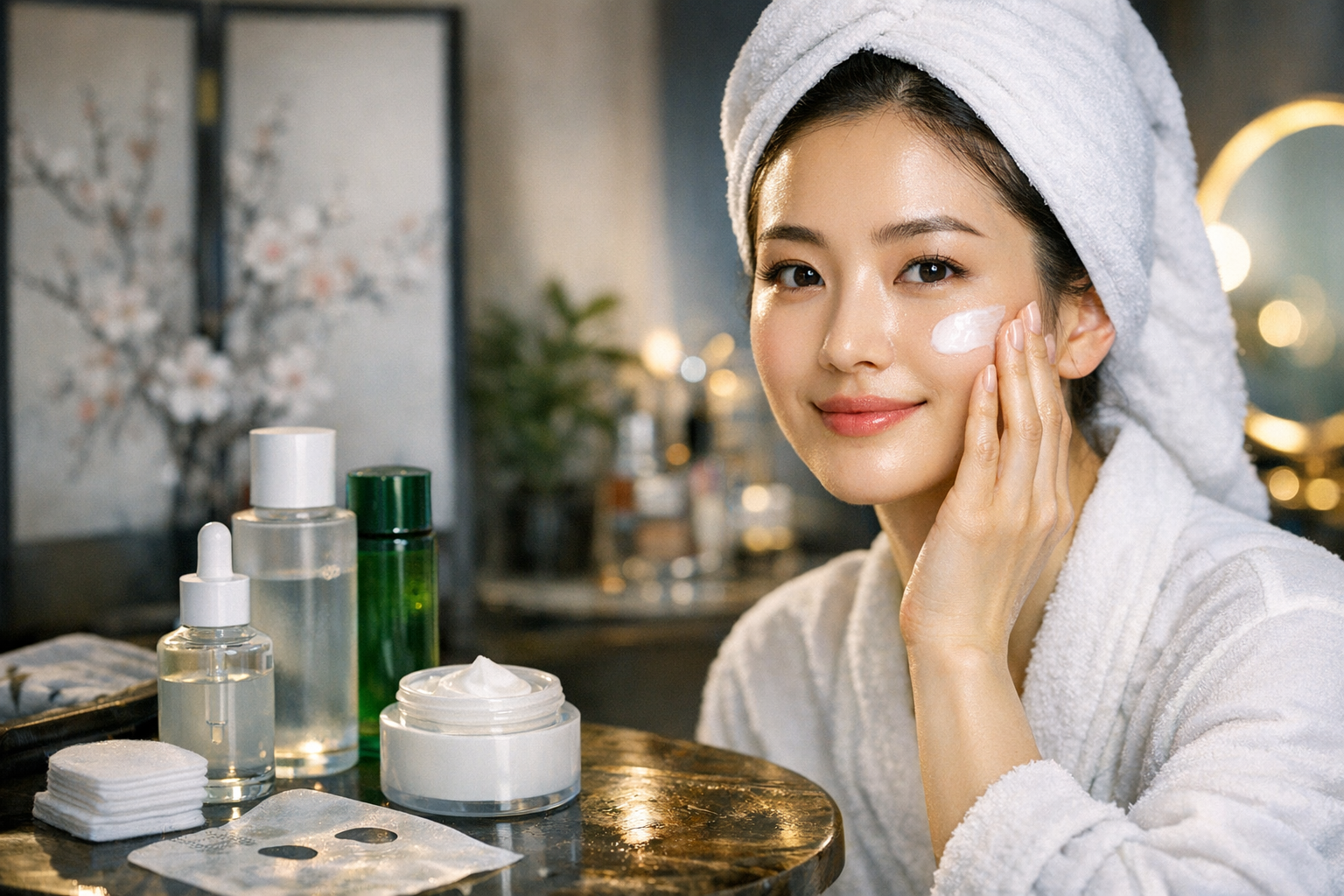
A Korean skincare routine for beginners does not need to be long, expensive, or built around trends. The most useful starting point is a small routine that protects the skin barrier, keeps skin comfortable, and fits your real schedule. Once those basics are working, you can add targeted steps slowly.
K-beauty is often associated with many layers, but the bigger idea is thoughtful layering rather than a fixed number of products. Lightweight formulas, gentle cleansing, hydration, and daily sun protection are common themes. For beginners, that means learning what each step is for and keeping only the ones that solve a real need.
What Korean skincare usually emphasizes
Korean skincare often focuses on prevention and daily maintenance. Instead of waiting for skin to feel irritated, dry, or congested, the routine is designed to support the skin consistently. In practice, that usually means cleansing without stripping, moisturizing well, and wearing sunscreen every day.
Texture is another reason many people enjoy K-beauty. Toners, essences, lotions, and gel-creams are often made to layer easily without feeling heavy. That can help beginners adjust a routine by season, climate, or skin changes without overloading the skin.
It also helps to separate core principles from optional extras. Sheet masks, sleeping packs, and multi-step routines can be enjoyable, but they are not required. The most practical Korean skincare routine for beginners is one you can repeat comfortably for months, not one that looks impressive on a shelf.
The basic routine: morning and night
If you are starting from zero, keep the morning routine simple: cleanse if needed, moisturize, and apply sunscreen. At night, cleanse thoroughly and use moisturizer again. This gives you a stable base before you experiment with serums or exfoliants.
Morning cleansing depends on your skin type and climate. Oily skin may prefer a gentle low-pH cleanser, especially in humid weather. Dry or sensitive skin may do better with a rinse of lukewarm water or a very mild cleanser. The goal is to remove sweat and oil without leaving the face tight.
Moisturizer matters for every skin type, including oily skin. It helps reduce water loss and supports the barrier so skin is less likely to feel irritated. If heavy creams feel uncomfortable, look for a lotion, gel-cream, or emulsion instead of skipping moisturizer completely.
Sunscreen is the most important daytime step because it helps limit UV-related pigmentation, premature aging, and worsening of post-acne marks. A broad-spectrum sunscreen that feels comfortable on your skin is usually the best choice, because consistency matters more than chasing the most talked-about formula.
At night, cleansing becomes more important if you wear sunscreen, makeup, or spend time outdoors. Double cleansing means using an oil-based cleanser first to break down sunscreen and makeup, followed by a water-based cleanser to remove remaining residue. If you wear very little on your skin and are easily irritated, one gentle cleanse may be enough on some nights.
How to add extra steps without overdoing it
Once your basic routine feels stable for a few weeks, you can add one optional step at a time. Common additions include toner, essence, serum, exfoliant, and masks. These are categories, not requirements, so there is no need to buy one of everything.
A modern toner is usually meant to hydrate and soften the feel of the skin rather than strip oil. It can be useful if your skin feels dehydrated, if you like applying thin layers, or if stronger products feel more comfortable over a hydrated base. Essences serve a similar role, though the line between toner, essence, and lightweight serum is often blurry.
Serums are where most targeted ingredients show up. If your main concern is dullness, dehydration, uneven tone, or breakouts, choose one serum that matches that concern and use it consistently before adding anything else. This makes it much easier to tell whether a product is helping or causing irritation.
Exfoliation is the step beginners most often overuse. AHAs can help with surface texture, BHAs can help with clogged pores, and PHAs are often milder, but all exfoliants can damage the barrier if used too often. Starting once a week is usually enough. If your skin becomes stinging, flaky, shiny-tight, or unusually red, reduce frequency or stop and return to basics.
Masks are optional support steps. A sheet mask can add temporary hydration, and a sleeping mask can help seal in moisture when skin feels dry. They are useful extras, but they should not replace a dependable cleanser, moisturizer, and sunscreen.
Choosing products by skin type and concern
Dry skin usually benefits from creamy or low-foaming cleansers, hydrating layers, and richer moisturizers. Ingredients such as glycerin, ceramides, squalane, and hyaluronic acid are commonly used to support comfort and reduce tightness. In colder weather, a richer night cream may be more helpful than adding many separate hydrating steps.
Oily or acne-prone skin often prefers lighter textures such as gels, emulsions, and fluid sunscreens. Ingredients like salicylic acid and niacinamide may help with congestion or excess oil, but harsh cleansing is rarely the answer. Over-cleansing can leave skin irritated and may make oiliness feel worse.
Sensitive skin usually does best with a shorter routine, fewer fragrance-heavy products, and slower changes. Patch testing a new product on a small area for several days can help reduce the risk of a full-face reaction. If your skin is already irritated, focus on a bland cleanser, moisturizer, and sunscreen before trying active ingredients.
For uneven tone or post-acne marks, patience matters. Brightening ingredients such as niacinamide, vitamin C derivatives, tranexamic acid, or azelaic acid are often used over time, and sunscreen is essential because UV exposure can keep discoloration around longer. The goal is steady improvement, not dramatic overnight change.
Common beginner mistakes to avoid
The biggest mistake is starting too many products at once. If you introduce a cleanser, toner, serum, exfoliant, and moisturizer together, you will not know what is helping or what is causing problems. Add one new product every two to three weeks when possible, especially if you have sensitive or acne-prone skin.
Another mistake is copying someone else’s routine exactly. Skin type, climate, budget, and tolerance vary a lot. A routine that feels light and comfortable in a humid city may feel sticky in summer or too weak in a dry winter climate. Build around your own skin and daily habits.
It is also easy to mistake tingling for effectiveness. A strong sensation is not proof that a product is working well. In many cases, it is a sign that the formula is too strong, too frequent, or not a good match for your skin barrier.
How this guide was edited
Last editorial update: August 2026. This guide is written for readers comparing Korean beauty options online, not for diagnosing or treating skin conditions.
For Korean skincare routine for beginners, the shortlist is judged by practical routine fit first. The goal is to help you decide what belongs in your routine and what to skip.
Selection criteria
- Whether the steps solve different jobs
- Beginner simplicity
- Price and replacement practicality
- Avoiding too many active products at once
How to choose by skin type
| Reader need | Practical buying note |
|---|---|
| Dry or dehydrated skin | Prioritize comfort, layering, and formulas that do not leave skin tight. |
| Oily or combination skin | Look for lighter textures and avoid adding too many rich layers at once. |
| Sensitive-feeling skin | Patch test first and be cautious with fragrance, acids, and strong actives. |
What to avoid before buying
- Avoid choosing a product only because it is viral; match it to your skin type and current routine.
- Do not add several new products in the same week. Introduce one product at a time so you can notice irritation.
- Be careful with medical-sounding claims. Cosmetics can support the look and feel of skin, but they are not treatments.
FAQ
Do I need a 10-step routine to do K-beauty properly?
No. The well-known 10-step routine is better seen as a menu of possible steps. Most beginners do well with cleanser, moisturizer, and sunscreen, then add targeted products only when they have a clear purpose.
Should I double cleanse every night?
Double cleansing is most useful when you wear sunscreen, makeup, or heavier products. If your evening routine is minimal and your skin is easily irritated, a single gentle cleanse may be enough on some days.
How long should I wait before adding active ingredients?
Give your basic routine at least two weeks, and longer if your skin is sensitive. Once your skin feels stable, add one active at a time and start slowly so you can watch for dryness, stinging, or persistent breakouts.
Can oily skin skip moisturizer?
Usually not. Oily skin still needs hydration and barrier support. A lightweight gel, lotion, or emulsion is often a better solution than removing moisturizer entirely.
Sources
This article is based on general skincare principles widely used in consumer education, including gentle cleansing, barrier support, hydration, sun protection, and gradual introduction of active ingredients. It also reflects common K-beauty routine concepts such as layering lightweight products, using optional treatment steps based on skin needs, and adapting routines by skin type and comfort.
This article may contain affiliate links. If you buy through them, we may earn a commission at no extra cost to you.