Key takeaways
- The best barrier-supportive moisturizer depends on your skin type, climate, and how irritated or dry your skin feels.
- Look for a balanced formula with humectants, emollients, occlusives, and helpful barrier ingredients such as ceramides, panthenol, and squalane.
- Texture matters: gel-creams suit oilier skin, classic creams fit most skin types, and richer creams work better for very dry or stressed skin.
Finding the best Korean moisturizer for skin barrier support is usually about choosing the right formula style, not chasing dramatic claims. Korean skincare offers many well-designed moisturizers for dryness, sensitivity, and dehydration, but the best option for you depends on your skin type, climate, routine, and how stressed your skin feels right now.
When the skin barrier is not functioning well, skin may feel tight, rough, flaky, or unusually reactive. You might notice stinging after cleansing, redness that lingers longer than usual, or a sudden inability to tolerate products that were fine before. In that situation, a moisturizer should do more than make skin feel soft for an hour. It should help reduce water loss and support a more comfortable skin surface over time.
K-beauty is especially strong in this category because many Korean moisturizers focus on layering, gentle textures, and daily comfort. Instead of relying on one heavy ingredient, many formulas combine water-binding ingredients, skin-softening lipids, and soothing components. That balanced approach is often useful when your barrier feels weak from over-exfoliation, dry weather, acne treatments, or a routine that has become too aggressive.
What to look for in a barrier-supportive Korean moisturizer
The first thing to check is ingredient balance. A good barrier-focused moisturizer usually includes humectants, emollients, and some level of occlusion. Humectants such as glycerin, hyaluronic acid, beta-glucan, and panthenol help attract water. Emollients such as squalane, fatty alcohols, and certain plant oils help smooth and soften the skin. Occlusive ingredients help slow moisture loss so hydration does not disappear quickly.
Ceramides are one of the most useful ingredients to look for because they are part of the skin’s natural lipid structure. They are often paired with cholesterol and fatty acids in richer barrier-supportive formulas. You do not need every lipid in one cream for it to be helpful, but a moisturizer with some lipid support often feels more protective than a formula built only around lightweight hydration.
Soothing ingredients can also be helpful, especially if your barrier issues come with visible redness or discomfort. In Korean moisturizers, common examples include centella asiatica, madecassoside, heartleaf, and mugwort. These ingredients may help skin feel calmer, but they work best when the formula also has enough moisturizing support to address dryness and water loss.
It is also worth checking what is not in the formula. If your skin is currently irritated, you may prefer to limit strong exfoliating acids, high levels of alcohol, essential oils, or added fragrance. Not everyone is sensitive to these, but when the barrier is already stressed, a simpler and gentler formula is often easier to tolerate.
How to choose the right texture for your skin type
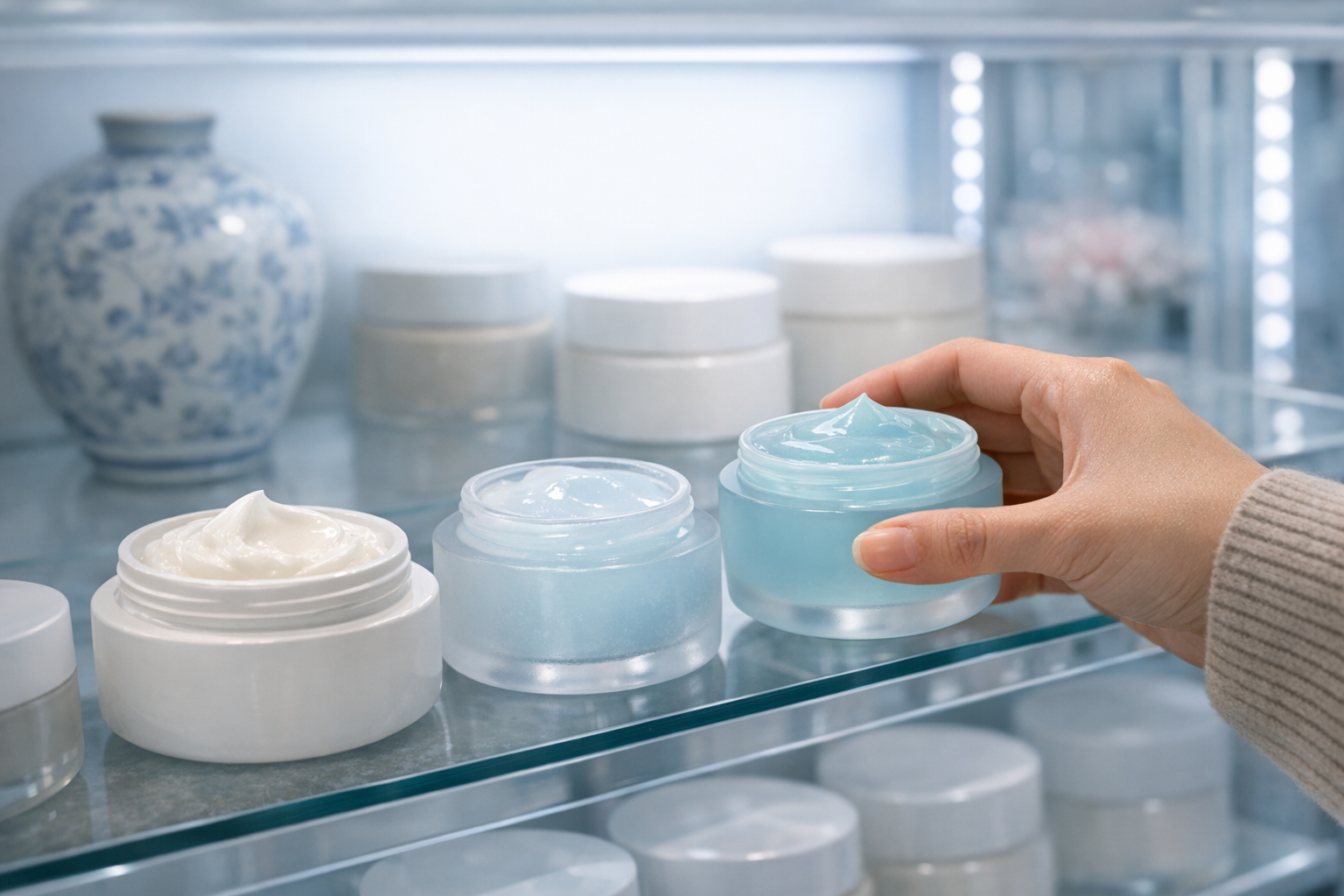
Texture is one of the most practical ways to narrow down the best Korean moisturizer for skin barrier needs. If you have oily or combination skin, a gel-cream or light lotion may be enough. These formulas often provide hydration and some barrier support without leaving a thick film. They are usually easier to wear under sunscreen and makeup, especially in humid weather.
For normal to dry skin, a classic cream is often the safest starting point. This texture usually gives a better balance of hydration and lasting comfort than a gel-cream, while still feeling manageable for daytime use. Look for formulas that combine glycerin or panthenol with ingredients such as squalane, ceramides, or fatty alcohols.
If your skin is very dry, flaky, or irritated, a richer cream may work better. Heavier textures can help reduce transepidermal water loss more effectively, which matters when skin still feels tight soon after application. These richer formulas are often especially useful at night, in winter, or when you are using retinoids or acne treatments that leave skin feeling stripped.
Sensitive skin shoppers should also think about packaging and routine fit. Tubes and pumps can be more hygienic and easier to use consistently than jars. If you already use a hydrating toner or serum, you may not need the richest moisturizer on the shelf. If your cleanser is drying or your routine includes strong actives, a more substantial cream may be the better choice.
How to compare products before you buy
If you are comparing several Korean moisturizers online, start with the product type: gel, lotion, cream, or balm. That gives you a quick sense of how light or occlusive the formula may feel. Then scan the ingredient list for a practical structure. A useful barrier-supportive formula often has humectants near the top, some lipid or emollient support in the middle, and optional soothing ingredients if your skin is reactive.
Next, match the formula to your daily conditions. In hot, humid weather, many people prefer a lighter cream that does not feel greasy by midday. In cold, windy, or heavily air-conditioned environments, richer formulas usually perform better. Climate changes can be a good reason to switch textures seasonally rather than expecting one moisturizer to work perfectly all year.
It also helps to think about your current skin goal. If your main problem is dehydration, a lighter moisturizer with strong humectants may be enough. If your skin is dry and flaky, you will usually want more emollient and occlusive support. If your skin burns or stings easily, prioritize gentle formulas and consider pausing harsh actives while your skin settles.
Finally, be realistic about marketing language. Terms such as calming, recovery, and barrier care can be useful clues, but they are not proof of performance. The most reliable way to compare options is still the formula style, ingredient categories, packaging, and whether the product fits your skin type and routine. Patch testing is a sensible step if your skin is highly reactive.
Practical routine tips for better barrier support
Even a good moisturizer can struggle if the rest of your routine keeps irritating your skin. If your barrier feels weak, simplify for a week or two. Use a gentle cleanser, your moisturizer, and sunscreen in the morning. At night, cleanse gently and apply the moisturizer to slightly damp skin to help trap more hydration.
If one layer does not feel like enough, apply a second thin layer to the driest areas instead of immediately buying a much heavier product. You can also use a richer cream only at night and a lighter one during the day. This approach often works well for combination skin or for people who want comfort without a heavy daytime finish.
Be patient with results. Barrier support is usually gradual, especially if your skin has been stressed for a while. The goal is not instant perfection but fewer signs of irritation, less tightness after cleansing, and better tolerance of your basic routine over time.
How this guide was edited
Last editorial update: May 2026. This guide is written for readers comparing Korean beauty options online, not for diagnosing or treating skin conditions.
For best Korean moisturizer for skin barrier, the shortlist is judged by practical routine fit first. The goal is to help you decide what belongs in your routine and what to skip.
Selection criteria
- Barrier-support positioning
- Texture and seasonal fit
- Compatibility with sunscreen
- Whether oily skin may need a lighter option
How to choose by skin type
| Reader need | Practical buying note |
|---|---|
| Dry or dehydrated skin | Prioritize comfort, layering, and formulas that do not leave skin tight. |
| Oily or combination skin | Look for lighter textures and avoid adding too many rich layers at once. |
| Sensitive-feeling skin | Patch test first and be cautious with fragrance, acids, and strong actives. |
What to avoid before buying
- Avoid choosing a product only because it is viral; match it to your skin type and current routine.
- Do not add several new products in the same week. Introduce one product at a time so you can notice irritation.
- Be careful with medical-sounding claims. Cosmetics can support the look and feel of skin, but they are not treatments.
FAQ
How do I know if I need a barrier-supportive moisturizer?
Common signs include tightness, flaking, rough texture, redness, stinging, and increased sensitivity to products that normally do not bother your skin. If your face feels dry and reactive at the same time, a barrier-focused moisturizer may help.
Are ceramides required in the best Korean moisturizer for skin barrier care?
No, but they are very useful. A good moisturizer can still be helpful without ceramides if it has a strong mix of humectants, emollients, and occlusive support. Ceramides are a plus, not the only thing that matters.
Can oily or acne-prone skin use barrier creams?
Yes. Oily skin can still become dehydrated or irritated, especially from acne treatments or over-cleansing. The key is choosing a lighter lotion or gel-cream texture that supports the skin without feeling too heavy.
Should I stop using retinoids or exfoliating acids if my barrier feels damaged?
Many people benefit from reducing or pausing strong actives temporarily when skin feels irritated. A simpler routine with a gentle cleanser, moisturizer, and sunscreen can help your skin recover before you reintroduce active products slowly.
Sources
This guide is based on established skincare principles related to skin barrier function and moisturizer formulation, including the roles of humectants, emollients, occlusives, ceramides, cholesterol, fatty acids, panthenol, and soothing botanical ingredients commonly used in Korean skincare. It also reflects standard consumer skincare guidance on matching moisturizer texture to skin type, climate, and routine tolerance.
This article may contain affiliate links. If you buy through them, we may earn a commission at no extra cost to you.